
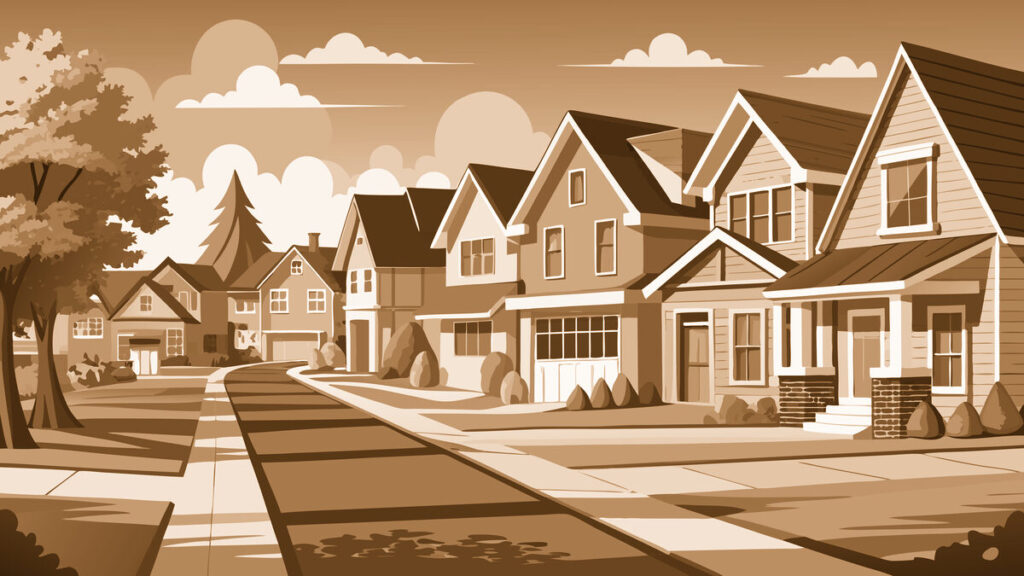
Introduction: Where the Past Echoes Through Pine-lined Streets
Nestled just north of Gig Harbor and inside the city boundaries of Tacoma, the Canterwood neighborhood stands as a beautiful blend of Pacific Northwest serenity with a rich tapestry of local history. Ask any longtime resident, and you’ll hear how the area has grown from rural roots into a hallmark enclave of elegance and community spirit. From winding roads like Canterwood Boulevard NW to the renowned Canterwood Golf & Country Club, this neighborhood offers more than just luxury living—it’s a living piece of Tacoma’s evolving story.
The Origins: From Rural Woodlands to Planned Paradise
The land that would become Canterwood was originally dense woodland, a quiet expanse where native flora thrived and wildlife roamed free. Prior to the 20th century, the greater area around Canterwood was home to the Puyallup and Nisqually tribes, who stewarded the land for generations. As settlers arrived in the late 1800s, the forested terrain slowly gave way to family farms and timber operations.
It wasn’t until the early 1980s that visionaries saw the potential for something different. Developers, captivated by the rolling hills and tranquil woods, imagined an exclusive residential haven. The master-planned community first broke ground in 1981, and soon after, Canterwood began to take shape as one of Tacoma’s most desirable neighborhoods.
How Canterwood Got Its Name
The name “Canterwood” is an homage to the area’s equestrian history as well as its forested charm. “Canter” refers to the gentle, rolling gait of a horse—a nod to the horseback trails and stables that once dotted the land. “Wood” reflects the towering Douglas firs and cedars that have always been a defining feature. Together, the name evokes the peaceful cadence of life here: graceful, green, and connected to the land.
Key Historical Milestones
- 1981: The Vision Becomes Reality
The official launch of Canterwood as a master-planned community was marked by the development of pristine streets, set-back homes, and a focus on privacy and luxury. Unlike other neighborhoods emerging during the rapid growth of Pierce County, Canterwood was carefully curated to blend with its natural surroundings.
- The Establishment of Canterwood Golf & Country Club
A defining moment in the neighborhood’s history came with the creation of the Canterwood Golf & Country Club in 1988. Designed by renowned architect Robert Muir Graves, the 18-hole championship course became not only a recreational focal point but also a local landmark, with its iconic entrance along Canterwood Boulevard NW.
- Growth of Community Institutions
As more families arrived, the area saw the addition of Canterwood Park and improvements to nearby schools within the Peninsula School District. While Canterwood itself is strictly residential, its proximity to local institutions like St. Anthony Hospital and the Uptown Gig Harbor shopping area just south makes it a convenient, tight-knit community.
Notable Landmarks and Buildings
Canterwood may be known for its stately homes and manicured landscapes, but several features stand out in its heritage:
- Canterwood Golf & Country Club:
At the heart of the neighborhood sits this renowned private club, welcoming golfers and social members alike. Beyond the fairways, the club’s stately clubhouse hosts countless community gatherings, celebrations, and charity events.
- Grand Entrances and Iconic Streets:
The neighborhood’s main artery, Canterwood Boulevard NW, features stone walls and lushly landscaped medians—designed to offer both security and a sense of arrival.
- Historic Tree Groves:
In developing Canterwood, planners preserved many mature trees, giving some streets, like Old Stump Drive NW and Briarcliff Lane NW, an Old Tacoma aura that’s rare in new developments. Some of the century-old stumps along these routes serve as quiet reminders of the area’s deep-rooted connection to the land.
Evolution Over the Decades
Since its inception, Canterwood has carefully balanced progress with preservation. What began as a high-end residential experiment has matured into a thriving multigenerational community:
- 1980s-1990s:
The initial wave of custom homes established Canterwood’s reputation for elegance and privacy. The golf course and club became central gathering spots, while security gates were added to enhance residents’ sense of safety.
- 2000s:
As Gig Harbor and Tacoma expanded, Canterwood became more connected—just minutes from the Highway 16 corridor but still tucked away from urban bustle. New construction continued to respect the neighborhood’s original ethos, with large lots and architectural harmony.
- 2010s-Present:
Today, Canterwood hosts a blend of professionals, retirees, and growing families. Residents celebrate annual traditions such as holiday lights along the tree-lined streets and neighborhood picnics in Canterwood Park. Despite modern conveniences, there’s still a reverence for Canterwood’s past, seen in the careful maintenance of its historic trees and ongoing support of Northwest traditions.
Community Spirit and Enduring Heritage
Ask neighbors what sets Canterwood apart, and you’ll hear stories of impromptu gatherings at the club, summer evenings spent strolling the quiet boulevards, and a pride in the neighborhood’s enduring tranquility. The preservation of green spaces, the respect for its equestrian roots, and an emphasis on beauty and community make Canterwood much more than a collection of houses—it’s a living chapter in Tacoma’s larger history.
Throughout its journey, Canterwood has retained its sense of place and purpose, becoming both sanctuary and social hub for generations. The peaceful canter of life, framed by the evergreens, continues to define this unique Northwest treasure.